

What to watch in this NC legislative session
The budget, Helene recovery, Medicaid, and more.

Welcome back to Down from DC, where we typically explain what’s happening in DC and how it affects our lives here in NC. This week, we have a look at what’s happening in Raleigh, specifically as our state legislators gear up for a session featuring an agenda heavily driven by federal policy.
The NC Legislature opens its short session this week to take up a host of unfinished business from 2025. As Lynn Bonner and Brandon Kingdollar report in NC Newsline, they’ll also deal with fallout from the budget bill Congress passed last year and a related shortfall in the federal Medicaid healthcare program, a gap that doesn’t yet include many of the well publicized cuts Congress made last summer that will have such an outsized impact in our state. That’s because Congress made sure that the most significant cuts won’t happen until after the midterm election in November.
So for now, all eyes are on what happens in our state capital. Here’s what to know about that and the other big items legislators will consider.
Can North Carolina lawmakers pass a budget?
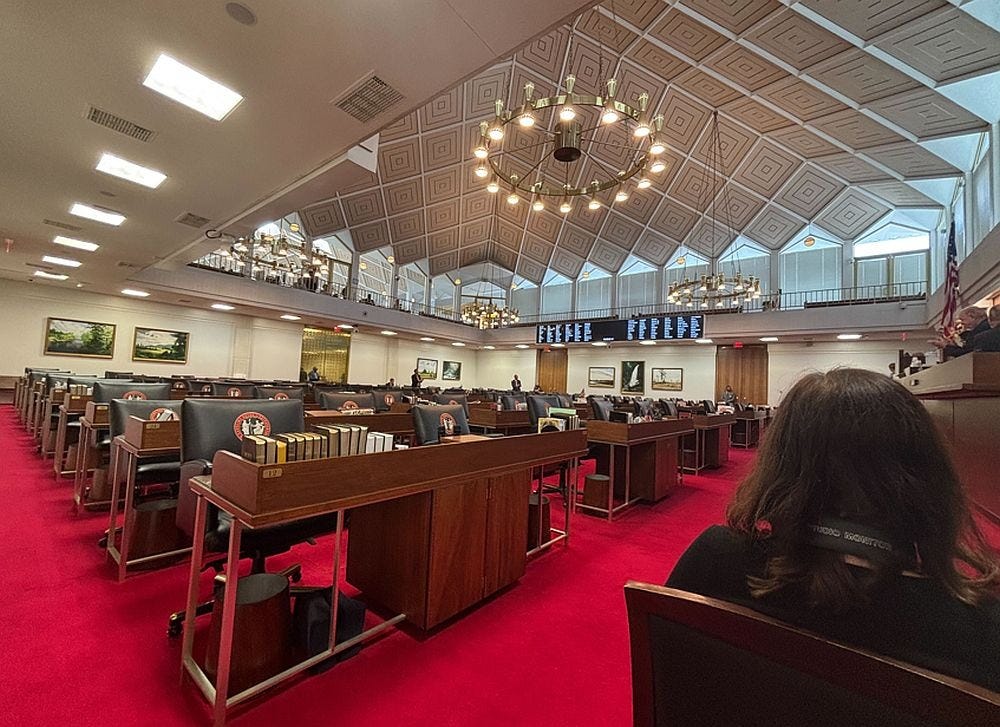
A comprehensive state budget is more than nine months overdue, North Carolina’s Medicaid program is about to run out of money, and state employees and teachers are clamoring for raises.
The General Assembly returns to work Tuesday staring at the same divisions it left at its last regular meeting last year. Gov. Josh Stein, a Democrat, has disagreements with the Republican-run legislature, and House and Senate Republican leaders don’t agree with each other.
Lame-duck legislators who lost their primaries, including Republican Senate leader Phil Berger (R-Rockingham), one of the most powerful politicians in the state, as well as several House Democrats and Republicans, are wild cards factored into delicate budget negotiations.
House Republicans proposed average teacher raises of more than 8% over two years, with a big boost in starting teacher pay to $50,000 a year. The House budget also paused future cuts to the personal income tax rate. The House had proposed spending $32.6 billion in the current budget year.
Senate Republicans proposed teacher raises averaging 3.3%, and wanted the future tax cuts to go ahead as planned. The Senate proposed spending $32.3 billion this year.
Medicaid and the children’s hospital
One of the pressing issues for the legislature is a $319 million Medicaid shortfall. The health insurance program that covers about 3.1 million North Carolinians is about to run out of money, and Stein has been demanding the additional money for months.
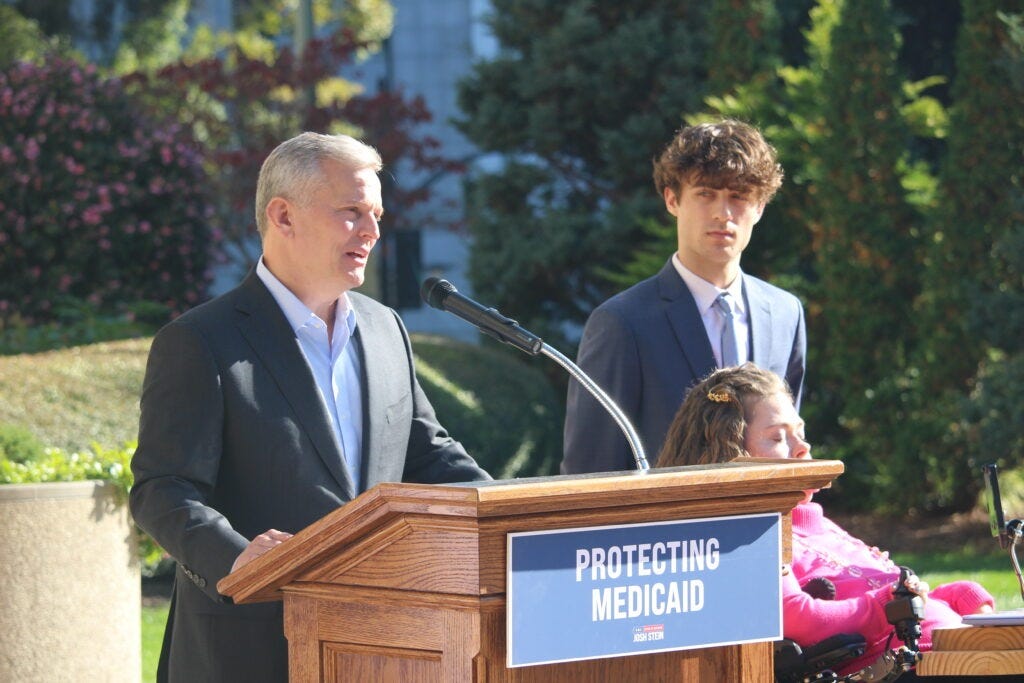
Last year, bills that would have provided more Medicaid money were caught up in other budget disagreements between House and Senate Republicans and the funding didn’t come through.
In committee meetings over the winter and spring, Republicans have questioned state health officials about the Medicaid numbers and extent of the shortfall.
At a March event on civil debate about health care, Rep. Grant Campbell (R-Cabarrus) said he supported filling the Medicaid budget hole, but wanted to make sure it will really cost $319 million.
“I’m all for it if you can show me the money has been calculated appropriately,” he said.
House and Senate Republicans differed on funding a children’s hospital being built in Apex. Senate Republicans want additional funds approved for the hospital. They attached $103.5 million for the hospital to a bill on added Medicaid funding. House Republicans have resisted more spending on the hospital.
Automatic tax cut
The largest hang-up in budget talks between House and Senate Republicans is automatic tax cuts.
House Republicans want to pause those reductions, while Senate Republicans want the cut to go forward as planned.
The offices of House Speaker Destin Hall (R-Caldwell) and Senate leader Phil Berger (R-Rockingham) did not respond to requests for interviews.
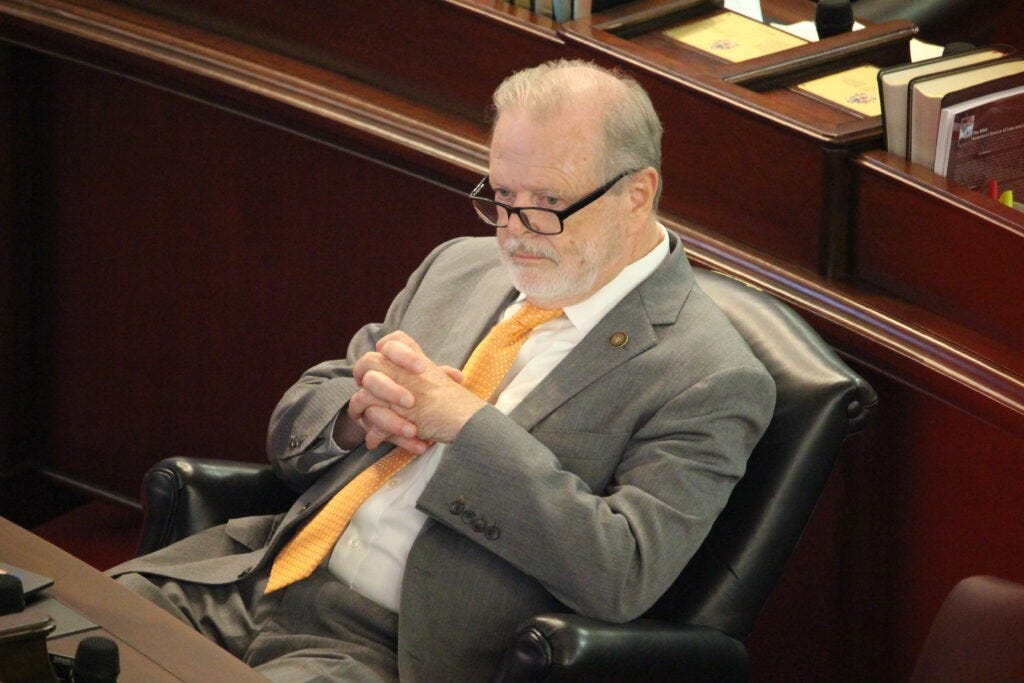
Berger acknowledged in a recent press release that “progress was elusive” on tax issues in last year’s session, but said “circumstances do exist for us to reach an agreement on a comprehensive state budget.”
“Our policy success is largely grounded on the continuing exercise of discipline on two fronts — tax reduction and spending restraint,” Berger wrote. “Failure to adhere to fundamentals on either front will thwart sustaining progress in our never-ending competition with other states for economic growth, job creation, and a better future for our people.”
The tax cuts are based on revenue triggers that the state is expected to meet. But the reductions mean that the state will have less money to spend in future years.
The individual tax rate is scheduled to fall from 3.99% to 3.49% in 2027. The rate is to fall again to 2.99% in 2028.
Stein wants to pause the cuts too, and his Office of State Budget and Management projects that the first reduction will mean the state collecting $2 billion less each year.
The corporate income tax is being phased out, with elimination set for 2030.
The individual and corporate tax cuts will result in a structural budget deficit, reducing annual state revenues by $7.7 billion in 2033-2034, OSBM anticipates.
Federal fallout
A major federal law shifted more of the cost of providing food benefits, known as SNAP, from the federal government to counties.
The total increase to counties comes to $52 million starting in July, according to the NC Association of County Commissioners. The association is asking the General Assembly to cover the cost.
Sen. Jim Burgin, chairman of the Senate Health and Human Services budget committee, told NC Newsline the state can’t afford it.
The state will also need to foot the bill for monitoring new work requirements and verification requirements for Medicaid. DHHS officials have said that could run into the tens of millions of dollars.
Burgin said DHHS may be able to help the counties with additional tasks that will fall on local caseworkers.
Hurricane Helene relief
Stein is pushing lawmakers for a third round of recovery funding to western North Carolina, requesting $792 million in a March proposal.
Among the largest line items in the budget request is $100 million for repairs to private roads and bridges. Another recommendation would allocate $50 million for a revolving loan program to help local governments avoid budget cuts while funding repair efforts.
Republican lawmakers have grown skeptical of the governor’s handling of Helene relief, grilling recovery officials earlier this month over rising costs and a home rebuild and repair initiative that has completed work on just 30 houses since its inception.
“The numbers don’t add up and meanwhile, the citizens of North Carolina are suffering,” said Rep. Karl Gillespie (R-Macon), the House Majority Whip, at a Helene oversight meeting on April 2. “We’re going to have to have a lot more conversations and a lot more oversight and a lot more efficiencies in the program to ever make this work out.”
Bonner and Kingdollar, and the team at NC Newsline will keep up with what the legislature gets done over the session. Follow their work here.